**** THIS DOMAIN NAME IS FOR SALE *** ******* —AT ABSHOT.COM
For a business selling photo and picture frames, Cityframes.com is a plausible, memorable name—but its value depends on the brand you want to build and the price the owner is asking. Before buying, consider how clearly it describes your products, whether customers can remember and spell it, and what the purchase would leave available for stock and marketing.
Does the name fit?
“Frames” directly signals the product category, while “City” can suggest a broad, modern range or an urban design style. Together, the words are easy to understand and could suit a retailer selling frames for photographs, artwork and prints. The main limitation is that “City” does not communicate a particular speciality, such as custom sizing, handmade frames or premium materials. Branding and clear product descriptions can fill that gap.
What might it cost in pounds?
There is no reliable fixed price without knowing the seller’s asking price, the domain’s history and any comparable sales. A standard, unregistered domain may cost only a modest annual registration fee, often around £10–£30, while an already-owned name could be offered for hundreds or thousands of pounds. Treat those figures as broad examples, not an appraisal. Set a firm ceiling, check for trademark conflicts and review the domain’s ownership and history before negotiating. If the price is high, compare it with alternatives and consider whether the difference would be better spent on product photography or customer acquisition.
How AI could support frame sales
AI can help shoppers picture a frame in their home through room previews, recommend suitable sizes and colours, and answer common questions about measurements, materials and delivery. For the business, it can assist with drafting product descriptions, organising catalogue data, analysing sales patterns and tailoring promotions. Keep human oversight: verify measurements and claims, protect customer data, and make sure recommendations do not mislead.
Overall assessment
Cityframes.com is a sensible candidate if the asking price is reasonable and the company intends to sell frames across a wide range. Buy it for the clarity and brand potential—not on the assumption that the name alone will generate sales.
For a picture-frame retailer, a strong brand name and helpful customer experience can make choosing the right frame easier. City Frames Co. combines a clear product association with an urban, contemporary feel. Securing the matching CityFrames.com domain could support consistent brand recognition and reduce confusion when customers look for the business by name.
Why Consider CityFrames.com?
A short, straightforward domain is easier to remember, say aloud, and include in marketing materials. CityFrames.com closely matches the City Frames Co. name, helping customers recognize the connection between the brand and its products. It may also help protect the company’s naming identity by preventing another business from using the same exact address.
Before purchasing, the company should check the domain’s price, renewal fees, ownership history, and any potential trademark conflicts. A domain alone does not guarantee customer traffic or sales; its value depends on how well it fits the brand and how consistently the business uses its name across customer communications.
How AI Can Help Customers Choose
Artificial intelligence can make frame shopping more personal and convenient. A guided recommendation tool could ask about the artwork’s size, colors, room style, and budget, then suggest suitable frame materials and finishes. Image recognition may help identify dominant colors in a photo, while a visualization feature could show how different frames might look around the artwork.
AI can also support product descriptions, answer common questions, and recommend complementary items such as mats or hanging hardware. These tools work best when recommendations are accurate, transparent, and easy for shoppers to override.
Combining Brand Clarity with Useful Technology
City Frames Co. can pair a memorable name with practical, customer-focused AI. The domain helps reinforce brand recall, while personalized guidance can reduce uncertainty and make it easier to find a frame that suits the artwork and the home. Human support remains important for unusual sizes, custom framing, and customers who prefer expert advice.
Picture framing is an essential aspect of displaying artwork and photographs, serving several important functions. At its core, framing enhances the visual appeal of images, transforming a simple piece of art into a captivating focal point within a space. The right frame not only underscores the subject matter but also draws viewers’ attention, creating an impactful visual experience. By choosing a compatible frame style, one can elevate the overall aesthetic of any room while reflecting personal taste.






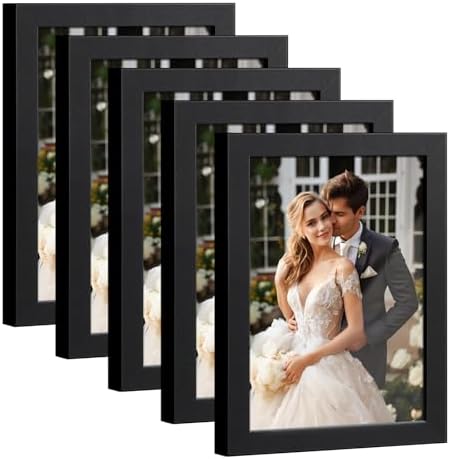



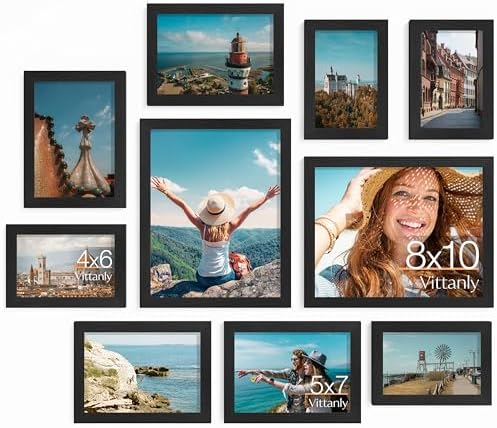

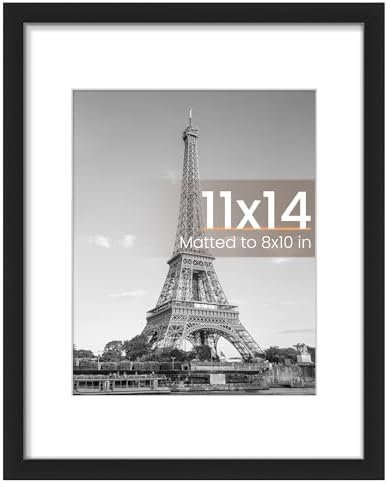
Beyond aesthetics, picture framing serves a protective purpose. Frames act as barriers against dust, moisture, and physical damage, safeguarding cherished artwork and photographs for years to come. Quality materials such as glass or acrylic sheets can shield the artwork from harmful UV rays, preventing fading and deterioration. This preservation aspect is especially significant for valuable or sentimental pieces, ensuring they maintain their integrity over time. Additionally, frames create a physical boundary that helps organize and showcase collections of images, thereby enhancing their collective impact.
When considering the types of frames available, there are numerous options to explore. Traditional wooden frames provide a classic look that is timeless, while metal frames can offer a contemporary touch. Moreover, custom frames allow for personalized choices regarding colour, size, and style, catering to individual preferences and the specific characteristics of the artwork. Understanding these various options is essential in selecting the appropriate frame that not only complements the artwork but also aligns with the interior design of the surrounding environment.
Ultimately, the practice of picture framing intertwines aesthetic enhancement with practical protection. By appreciating both its artistic and functional roles, one can truly grasp the importance of selecting the right frame and the materials involved in picture framing.
Essential Tools for DIY Framing
Embarking on a DIY picture framing project necessitates the right tools to ensure precision and efficiency. An essential item in your toolkit is the mat cutter. This tool allows you to cut mat board cleanly and accurately, enabling proper mounting of your artwork or photograph. A quality mat cutter features adjustable blades and a guide rail, facilitating consistent cutting angles, which is crucial for achieving professional-looking results.


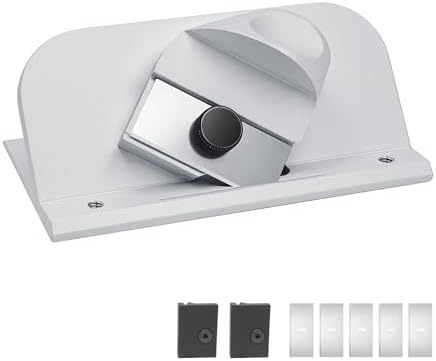
Another critical tool to consider is the glass cutting tool. When framing your artwork, using glass not only preserves its integrity but also enhances its aesthetic appeal. A glass cutting tool typically includes a carbide or steel wheel, which scores the glass, allowing for a clean break along the scored line. Selecting a durable and easy-to-use glass cutter can significantly impact your overall framing experience.
Framing clamps are also indispensable when it comes to assembling your frame. These tools hold the frame pieces securely in place while you attach them, ensuring perfect alignment and preventing movement. Look for clamps that are sturdy yet easy to operate, as they will streamline the entire framing process.
Additionally, you should equip yourself with other hardware such as corner brackets, hangers, and mounting screws. Corner brackets will provide extra support for your frame, while proper hangers will ensure that your picture is securely displayed on the wall. When selecting these types of hardware, prioritize quality materials that can withstand the weight and dimensions of the art pieces you intend to frame.
Ultimately, the right combination of tools will aid both beginners and seasoned framers in achieving their desired outcomes. It is advisable to invest in high-quality tools to ensure longevity and precision in your DIY picture framing endeavors.
Materials Needed for Framing
When embarking on a picture framing project, selecting the right materials is crucial to achieve a durable and aesthetically pleasing result. The primary material to consider is the frame itself, which can be constructed from various substances, including wood, metal, and plastic. Each type of frame offers distinct benefits; for instance, wooden frames provide a classic and warm appearance, while metal frames often deliver a sleek and modern finish. On the other hand, plastic frames are lightweight and can be a cost-effective solution, making them suitable for casual or temporary displays.
Matting is another essential component that enhances the visual appeal of framed artwork. This is typically made from cardboard or paper, though it is wise to choose options that are acid-free to prevent damage to the artwork over time. Matting not only adds a decorative border but also serves to keep the artwork from direct contact with the glass or acrylic, further preserving its integrity.
Choosing the right glazing material is equally important. Glass is commonly used because it provides a clear view of the artwork and protects it from dust and UV rays. However, acrylic is increasingly popular due to its lightweight nature and resistance to breaking, making it an excellent choice for larger pieces or installations in high-traffic areas.
Lastly, backing materials are necessary to support the framed artwork. Options include cardboard, foam board, or specialized framing boards, with acid-free varieties being highly recommended to ensure long-lasting protection. Sourcing these materials can often be done online, at local craft stores, or through specialty framing shops. By carefully selecting the right materials, one can create a framing project that not only looks great but also adequately protects the cherished artwork for years to come.
Step-by-Step Guide to DIY Picture Framing
Creating a custom picture frame can be an enriching DIY project. It allows you to showcase your artwork or photography in a way that complements your style and the environment. Follow these detailed steps to ensure a successful and professional-looking result.
First, begin by adequately preparing your artwork. Remove any existing backing or materials to ensure that only the art is framed. Clean the surface where the artwork will be placed, as any dust or debris can impact the final appearance of the frame. Next, measure the dimensions of your artwork using a ruler; when determining the size of your frame, account for an adequate border that best suits the piece. A standard practice is to add an inch or two to both width and height for an appealing edge.
Once you have the measurements, proceed to select your materials. Many DIY enthusiasts prefer wood or metal for durability. Use a miter saw or a hand saw to cut the frame pieces according to the calculated dimensions. Ensure you make mitered cuts at a 45-degree angle to create seamless corners. During this process, precision is key for ensuring that each side complements the others, giving the final product a polished look.
After cutting the materials, assemble the frame. Begin by placing the corners together and use wood glue or corner brackets to secure them firmly. To reinforce the joints, consider adding finishing nails or staples from an air gun. Once the frame is assembled, sand any rough edges for safety and an attractive finish. Feel free to paint or stain the wood for additional personalization.
Finally, attach your artwork to the frame. Use frame backing materials, such as cardboard, to secure the art in place. Install hanging hardware appropriate for the weight of your framed piece. Before hanging, choose a location that enhances the aesthetic of your artwork while considering lighting and space. By following these guidelines, you can create a custom frame that not only showcases your artwork but also adds a touch of individuality to your space.
Contact information — Please use contact form on http://www.abshot.com/contact/